

Making smart choices in the laboratory budgets, both preserves quality and reduces unnecessary spending. Compatible vs Original When deciding on preferences, firstly supply chain flexibility and balance between sustainable inventory management should be dried. Terminology and date definitions directly affect the daily application; last date of use, Lifelong and retest dates are indicated in different ways in different manufacturers, and these differences are reflected in risk assessment. The storage conditions reduce the cost of inventory optimization when kept correctly. Furthermore, the application of lot traceability for rack life tracking provides a practical benefit and reduces product losses.
Quality control applications routine verifications and must be supported with simple performance tests. Laboratory verification protocols reveal standard deviation in supplier changes. In addition to this, the cost-to-money assessment should be taken into account not only the unit prices, the risk of recalling, technical support access and processing efficiency. The table below summarizes the basic criteria to be considered in the decision process.
| COURSE | Effect |
|---|---|
| Unit cost | Direct budget effect |
| Shelf life | Determines waste rate |
| Technical support | Operational downtime risk |
| Validation requirement | Additional work and cost |
In light of this information, supply decisions Based on data must. In Stock Rotation FIFO The use in most cases reduces waste. Also, with periodic revisions and supplier assessments, it can be balanced both the savings that compatible products provide, and the security offered by the original reagents. Thus, the laboratory can reduce the costs sustainable while maintaining operational quality.
Reactive Terminology and Recent Use Dates
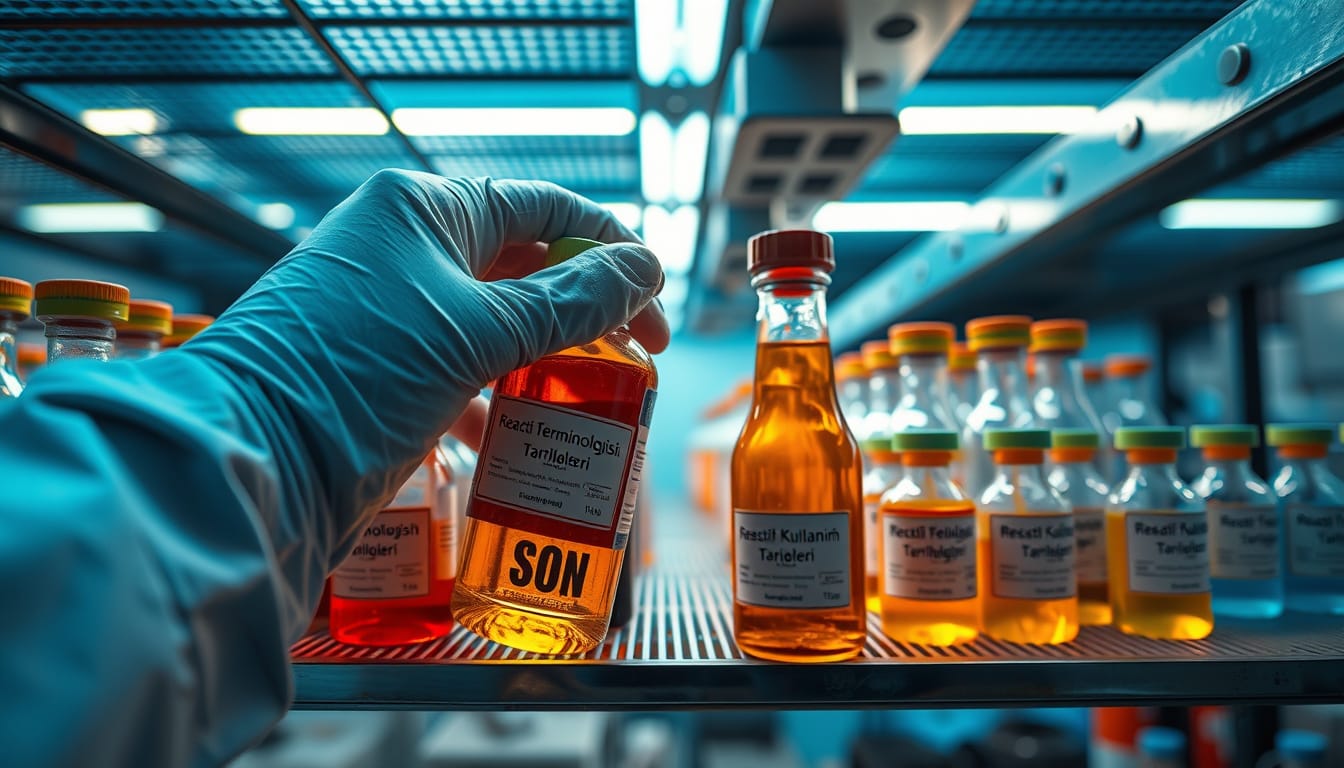
While terminology appears as a small detail in laboratory decisions, it directly affects quality and compatibility. Compatible vs Original In their preferences, how to comment on labeling and date information on reagents, determines the acquisition and usage strategies. Therefore, managers should manage the supply chain with short and clear information. Tilia Medical It is a critical step to read labels and save supplier documents in products received from suppliers.
Many manufacturers last date of useSome define the product according to the opening or after-test state while determining from ni production date. On the other retest date Generally, laboratory may be extended or reevaluated according to its own verification data. These differences are important for legal compliance and risk management because misinterpretation may lead to incorrect results or inappropriate wastes. Therefore, clear provisions should be set to date definitions in purchasing and stock policies.
The manufacturer’s instructions will not only tell the terms of use. It also contains important information on operation such as storage temperature, withstand time and validation requirements after opening. Fits manufacturer instructions Provides cost advantage when evaluated with fast technical service or stock power. Below is the basic ingredients that should be taken into consideration when making the supply decision.
- Labeling type and date description. Check out what criteria the product is dated.
- Time of use after opening. Retest procedures and laboratory validations.
- Storage and moving conditions provided by the manufacturer. Documenting compliance with these conditions.
- Cost advantage and technical support speed in purchasing decision. Evaluation of stock strength and supply times.
In the light of this information, understanding terminological differences reduces risks and strengthens purchasing processes. It also provides digital archive of product documents, transparency in audits. For more information when choosing the supplier Tilia Medical or technical documents of similar providers should be reviewed.
Evaluation of Expired Reactives
Timeout reagents in laboratory applications sometimes offer a noticeable source. If appropriate storage conditions are provided, and if the manufacturer complies with the instructions, some reagents can be evaluated with controlled tests. Purpose in this process, Compatible vs Original to understand the effect of selections and to make a safe back-use decision. Visual and physical examination should be done first. If there are findings such as color change, precipitation or foreign smell, the substance should not be used. Then simple kit performance tests are applied. Comparing with positive and negative controls known as examples is a practical first step. There should also be several parallel measurement for accuracy and precision tracking. Registration of these steps is handed out and provides traceability.
Observative stability tests The laboratory is carried out with basic tools and usually contains specofotometry, pH measurement or simple reaction efficiency analysis. The expected result ranges are controlled in start work with small-scale reagents samples. If results remain within the reference range, controlled use may be evaluated under limited and designated conditions. However, repeat tests should be periodic and separate evaluation should be performed for each lot. This approach helps to maintain quality while reducing cost pressure.
Risk-minimization protocols ethical and operational responsibility keeps together. First, in-house approval processes and written permissions are required. Clear storage instructions for the reagents granted the use of the consent, the list and red criteria of the tests to be performed beyond the last use date should be determined. Staff training should be included in the protocol steps to communicate with the supplier when necessary. In this frame Tilia Medical product data can be reviewed and required for technical support https://tiliamedical.com The address can be used as reference. Thus, both patient safety and laboratory responsibility are maintained.
Advantages of Side Industry (Compatible) Reactives
In evaluations made with the aim of reducing laboratory costs, Compatible vs Original The effects of the choice often come to the agenda. Affordable side industry reagents relieve the budget in the short run and provide flexibility in the supply chain. However, a careful way map should be monitored to make this advantage sustainable. Tilia Medical The communication established with suppliers helps to get practical data while comparing the performance of alternative products and creates trust. Also, supply diversification increases stock turnover speed and reduces waiting in emergency needs.
Cost-saving potential: Side-industrial reactors usually reduce the unit cost and reduce the total spending on large purchases. This savings, especially the routine test volume high in the laboratories, are marked. On the other hand, the actual value of saving depends on the consistency and repeatability in the laboratory of the product. That’s why it’s not only the purchase price when making cost analysis, it’s necessary to calculate the verification costs and the possible retest requirements.
Supplier compliance controls: Quality indicators and reference data must be questioned before using the side industry. As an example, the production standard of the supplier, party traceability and technical documents provided should be examined. Validation protocols to be applied in the laboratory clarify performance criteria and reduce the risk of changing suppliers. It is also a practical step to archive purchasing records and certification information digitally for traceability of products. If you want to browse the official resources for more information or supplier assessment https://tiliamedical.com address may be guiding.
Reliability and Risks of Original Reagents
The effect of preferences in laboratory management is directly associated with quality and traceability. Compatible vs Original selection does not only make short-term cost difference. It also reveals different loads in the test accuracy, document management and responsibility chain. The original reagents allow the laboratory to relax in external audits and accreditation processes thanks to the comprehensive quality documents provided by the manufacturer. This document sets generally contain production certificates, stability work and performance data, and proves compliance with the specifications of the equipment manufacturer. Traceability in terms of the original products, lot number and production trails provide retrospective follow-up; so that it is possible to call quick feedback or risk analysis in batch-based problems.
Technical support is a concrete advantage for laboratories that are oriented to original suppliers. The manufacturer support usually includes application consulting, contribution to validation protocols and field engineering services when necessary. This support makes it easy to quickly identify error sources in critical tests and reduces the operational risk of the laboratory. However, the cost of these services should be taken into account because the support packages are reflected at the price and should be placed in the budget planning. Furthermore, manufacturer guarantees positive contributions to legal and insurance requirements in some cases.
The reliability of original reagents offers a strong argument but there are risks. Supply chain cuts or high costs may limit operational flexibility. Therefore, when deciding, quality documents, traceability records and technical support coverage should be evaluated together. Thus, the laboratory moves to both regulatory expectations and protects trust in critical applications.
Stock Management and Cost-Fayda Analysis

In the laboratory business, stock management is at the center of cost control, and with proper applications, both waste is reduced and liquidity is preserved. FIFO Adopting approach, especially the shelf life minimizes loss in short products. Also thanks to lot tracking, the use history and storage conditions of a party are monitored easily. This situation also allows you to quickly call back or speed up in quality control events. Compatible vs Original Stock rotation and lot traceability policies in their preferences should be differentiated according to the risk profile.
Cost-Bau calculations are mandatory when determining the stock levels. As a basic method, the cost of the unit, the frequency of order and the cost of non-stocking is assessed. A simple calculation table contains the following element: supply cost, storage expense, distortion loss and quality control load. The following small table shows sample components.
| Tags | Description |
|---|---|
| Unit cost | Purchase price |
| Storage | Temperature, space and personnel expenses |
| Loss of degradation | Shelf-life filling rate and poor |
| Cost of traceability | Lot registration and permission processes |
Application FIFO barcode or barcode-free tracking systems can be used to integrate lot tracking. These systems automatize the priority of use and reduce manual errors. While cost-benefit analyses are carried out, the lower initial cost of side-industrial products is compared to the traceability and compliance costs of the original reactors. Thus, the actual total cost reveals and the objective of which product group will be preferred in the condition.
Stock rotation, order party size and minimum stock levels should be planned together. In addition, regular review periods should be determined and performance indicators should be monitored. For more support and quotation please https://tiliamedical.com by visiting the address Tilia Medical to get a quote from experts Directions.