

The blood gas device is among advanced technology testing devices that analyze critical parameters related to oxygen, carbon dioxide and acid-base balance from arterial or venous blood. Provides results directly affecting patient management in intensive care, emergency service, surgery and clinical laboratories. These devices are indispensable for treatment monitoring, especially in the instant evaluation of critical patients.
In comparison to other routine biochemistry and hematology devices used in laboratories, blood gas devices are activated for more acute condition detection and quick clinical decision mechanisms. With this direction, the device is not only an analysis tool that supports the diagnosis, but also a clinical guide that determines the treatment management is undertaken. Doctors are based on blood gas data in processes such as ventilation management, electrical acid-base disorders, oxygen treatment adjustment.
Blood gas analyzers are not only for patient monitoring in medical processes, but also support the protection of quality standards in preanalitic, analytical and post-analitic processes. Systemal infrastructures of these devices are designed to minimize error share, improve clinical diagnostic speed and secure data accuracy.
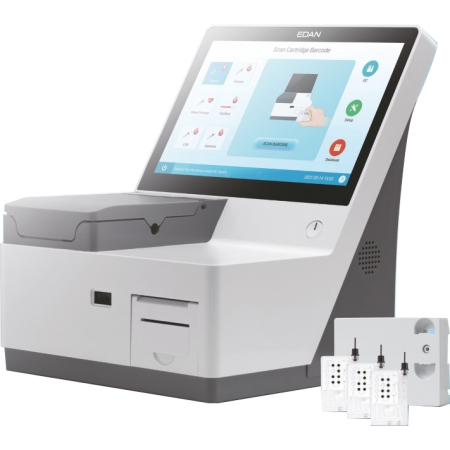
What Does Blood Gas Device Work? Basic Functions
Blood gas device mainly pH through arterial blood, Partial oxygen pressure (pO2), Partial carbon dioxide pressure (pCO2) Measures the values related to life functions such as the patient’s metabolic and respiratory balance. The correct management of ventilation in intensive care patients is determined in the clinical process of rapid response of the device to prevent critical risks in emergency and follow patient under anesthesia.
These devices are equipped with automatic calibration, cartridge-based work, low sample volume measurement, fast resulting time and sensor technologies that eliminate user error while performing their basic functions. In this way, saving time in intensive clinical conditions and the result reliability is maintained.
Functionally blood gas devices only provide multiple analysis with single operation by reading electrolyte, hematocrit and metabolic parameters, not only gas pressures. This combination ability device makes it the first monitoring tool in critical care.
What Are the Parameters Measured With Blood Gas Device?
Blood gas analyzers can analyse a wide range of parameters from one sample. Basic parameters include:
- pH (acid-base balance)
- PO2 (thermal oxygen pressure)
- PCO2 (thermal carbon dioxide pressure)
- HCO3 (bicarbonate)
- ⁇2 (Saturation of oxygen)
- BE (base excess)
- Electrolytes (Na, K, Cl)
- Lactate levels
- Hematocrit / Hemoglobin
These parameters provide direct evaluation of respiratory, kidney functions, metabolic balance and abnormalities belonging to the circulatory system. At the same time, multiple critical biomarks are obtained, the device carries a single-center data provider position in clinical decisions.
With the analysis of the measurement parameters, patients quickly identify conditions such as respiratory acidosis/alkalosis or metabolic acidosis/alkaloosis. In this way, the ventilator setting can be planned much safer and quickly to liquid electrolyte balancing or drug treatment.
Importance of Blood Gas Analysis in Clinical Laboratories
Blood gas analysis in clinical laboratories is the primary source of data in time-sensitive decision processes. Especially in patients with a high risk of mortality, such as sepsis, respiratory failure, acute kidney failure, heart arrest, blood gas data determines the path of treatment steps.
Data obtained with blood gas tests does not only show instant status, but also serves a feedback tool to monitor the response to the treatment. Many metabolic disorders that will not be understood alone with clinical observation are detected in early stages thanks to blood gas outputs.
Today, laboratory accreditation standards include blood gas calibration, control tests, device verification protocols and operator competence requirements. This situation indicates the obligation to maintain high quality blood gas analysis within the routine laboratory ecosystem.
Use of Blood Gas Analysis in Emergency Service and Intensive Care
The clinical picture in the emergency service environment changes rapidly and the correct treatment window is limited to minutes. Blood gas devices support critical decision moments by offering instant data to the clinic with fast result time. In patients with respiratory failure or loss of consciousness, blood gas measurement is the important steps of the first intervention algorithm.
In intensive care units, the monitoring of patients in the ventilator, electrolyte regulations, tissue perfusion tracking with lactate rise is carried out with blood gas tests. In particular, the use of lactate levels in sepsis management guides as both diagnosis and watch criteria has increased the critical role of these devices.
The patient’s oxygenation and acid-base balance is maintained with regular blood gas controls during anesthesia in surgical rooms except for emergency and intensive care. These areas of use indicate that the device is not only a laboratory-based test system with clinical field integration.
Criteria to Consider When Chooseing Blood Gas Device
The choice of blood gas device should be evaluated only price or brand-oriented. The following criteria are decisive headers in the selection of devices:
- Sample volume requirement
- Result speed time
- Calibration and maintenance infrastructure
- Advantages of single cartridge/gear system
- Traceability and data integration (LIS/HIS)
- Parameter scope (non-carbonate not electrolyte + lactate measurement)
- Total operating cost
- Authorized service and spare parts sustainability
Even if the devices that do not adapt to these criteria offer a cost advantage in the short run, the analysis can lead to repeat, result loss of trust or service-source postures. The stable device ecosystem in units that run smoothly, especially like intensive care and emergency service, is prevented from clinical risks.
In the choice of blood gas device, the operator convenience, error prevention systems and user training support should also be included in evaluation tables.
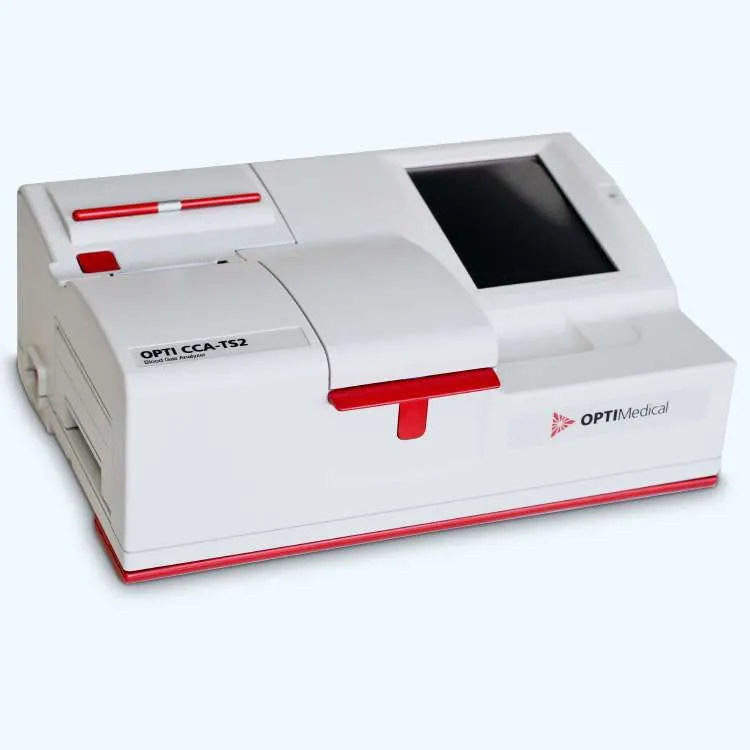
Tilia Medical Blood Gas Device Solutions and Advantages
Tilia MedicalIt offers high accuracy, fast outcome time and low operating cost blood gas device solutions for clinical laboratories, emergency service and intensive care units. With portable, desktop and cartridge-based system options, there is a range of products tailored to the health institution of each scale.
Tilia Medical The blood gas devices offered by minimize preanalitic errors with automatic calibration, minimal sample requirement, user-friendly interface and integrated data connection features. The authorized service and spare parts support of devices provide a sustainable use advantage across Turkey.
In addition Tilia Medicalnot only device supply; The installation, validation, training, technical service and clinical use consultancy provides end-to-end solution to the institutions. Thus, users use both device performance at maximum level and have reliable and traceable blood gas analytics in clinical processes.