

In modern healthcare ecosystems, the efficiency and reliability of diagnostic processes directly affects the quality of clinical results. Therefore, it has become a necessity for hospital and laboratories to be independent of each other and to turn into integrated systems that work in harmony. Integrated diagnostic solutions It is aimed to optimize the speed, accuracy and accessibility of the diagnosis at the same time by acting at this point.
The basis of these solutions creates a smartly designed portfolio of multi-test programs. The panel systems that allow multiple parameters to be analyzed simultaneously from a single sample provide a more comprehensive patient profile to the clinic, as well as time and resource saving. For example, in the period of pandemi, the capacity of such programs to scan large diameter and fast, played a critical role in the effective use of resources. The benefits of this approach are not limited only quickly. The standardization of the process increases the comparability of the results, while also reduces the need for repeated tests and the associated patient burden.
However, the continuity of sophisticated testing programs requires a solid supply chain and logistics management in the background. Not reactive, a proactive supply planning guarantees the uninterrupted supply of critical reagents and consumables. Inventory optimization and multiple supplier strategies protect the service against possible global or local supply shocks. This is not only cost control, but also patient safety and diagnosis quality is also a vital element.
Apart from this physical infrastructure, it remains missing without digital integration. Laboratory Information Management Systems (LIMS) Hospital Information Systems (HIS) smooth integration eliminates the risk of manual processing of data. Automatic data flow shortens both reporting times and enables continuous monitoring of quality control protocols. This integrated digital spine also prepares a ground for advanced applications such as artificial intelligence-supported preliminary analyses and fault detection.
Ultimately, the focus of all these technical and operational excellence efforts is patient. Integrated diagnostic solutionsIt should make access easier, taking the patient experience into the center. Geographically distributed sample collection points, mobile teams and patient-friendly online portal integrations improve engagement in the diagnostic process. Fast and reliable result access becomes a fundamental component that strengthens the trust relationship between the patient and the health institution. This approach makes health care not only more efficient, but also more human-oriented.
Clinical Need Analysis and Testing Portfolio Planning

The basis of an integrated diagnostic ecosystem creates a full compliance with clinical needs of the test menu offered by the laboratory. Therefore, integrated diagnostic solutions The first step while developing is to deeply analyze the characteristics of the patient population that the hospital serves and the priorities of clinical departments. This analysis requires understanding specific diagnostic algorithms of different units such as emergency service, oncology or endocrineology and shaping test portfolio around these needs.
Identification of clinical priorities then, we will meet these needs test packaging strategies activates. For example, to create a quick infection panel for a metabolic panel or sepsis suspicion for routine check-up, a much more efficient than ordering single tests laboratory workflow optimization provides. These packages accelerate the diagnostic process by offering consistent and associated results to the clinic, while lowering the cost per specimen.
The next stage of this approach, Indication-based algorithms clearly determination. What symptoms will trigger the test panel, which should be predefined, which result will redirect to the verification test. This prevents both unnecessary test requests and test consolidation provides intelligent use of resources. Finally, each package and algorithm, a comprehensive cost-effective analysis should be evaluated with. Not only is the reactive cost involved in the account of how early and accurate diagnosis reduces the total treatment cost per patient. To expand your laboratory’s test menu and professionalize your supply processes under a single roof Tilia Medical You can discuss the Diagnostic Planning team.
Laboratory Capacity and Device Compatibility
The success of integrated diagnostic solutions depends on the physical capacity and device compatibility of the laboratory. Therefore, a comprehensive assessment of existing device inventory is the first step. Technical characteristics of each device, production capacity and compliance with international standards should be reviewed. For example, CE and FDA approvals are the collateral that devices pass through safety and biocompatibility tests.
This assessment opens the way to clarify automation requirements. Investing in automatic systems for high-volume test panels reduces human errors and accelerates the workflow. Also, devices from different manufacturers multiple platform compatibility must be provided. This has critical importance for precise measurement of thyroid and fertility hormones, especially in complex panels such as Endocrinology Tracking Program.
Finally, all this technical infrastructure can not be functional without qualified staff. The staff must have continuous training on competence planning, device validation, routine maintenance programs and quality control protocols. This approach guarantees the correct performance of devices and maximizes patient safety.
Test Flow and Sample Management
The reliability of the laboratory diagnostic process is directly associated with the initial sample management of the test flow. Integrated diagnostic solutionsThe effectiveness of the nin begins with rigorous protocols applied at the pre-analitic stage. Therefore, the process passing from each e.g. to analysis, should be appropriate and traceable to standards.
Sample trading protocols: The first step to achieve the correct conclusion is the sample that is taken from the patient with the appropriate technique and the correct tube. At this stage, training of nurses and technicians is critical. For example, the details such as the complete saturation of the consolidated tube for coagulation tests, or the rapid centrifuge of the sample for glucose analysis, determine the clinical validity of the results. As in the applications in Erciyes University Hospitals, the continuous review of these processes prevents errors.
Each sample received traceability is provided with labeling. Barcode label systems eliminate the risk of mixing by securely matching patient ID, purchase time and test request. This system, laboratory information management system (LIMS) With integrated work, the sample records all the journey in the laboratory.
Lastly, transportation and storage conditions The analytical result is the basis of protection. When some hormones are sensitive to light, some enzymes can quickly be broken at room temperature. Therefore, it is necessary to move on the specified temperature ranges for different types of samples and in accordance with the appropriate time. Cold chain management and timely transport minimizes pre-analitic errors and ensures the guarantee of patient safety and diagnostic accuracy.
Supply Chain Strategies and Stock Management
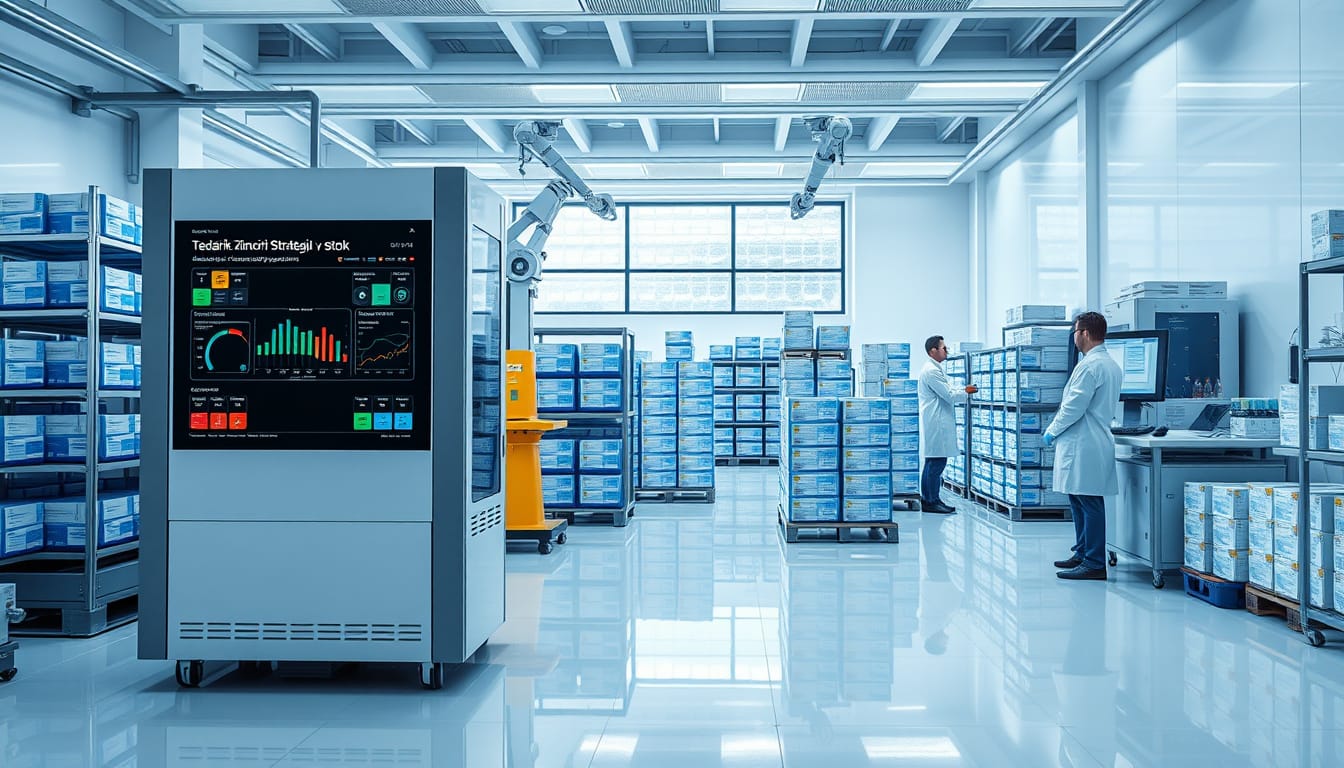
The test portfolio, shaped in accordance with clinical needs, but with a strong supply chain, a sustainable integrated diagnostic solution becomes. Therefore, supply strategies that form the waistbone of laboratory operations should be addressed with a proactive approach, not reagent. For example, Ferritein used to evaluate anemia, B12 and from a single supply channel of Folat tests, supplying them in a harmonious way, reducing logistic mess and costs, increasing the consistency of results. This kind of ecosystem management from one pointProvides an effective solution to the problem of incompatible with different suppliers of different tests.
Supplier Evaluation Criteria: this process is the first step. Not only price, delivery reliability, product quality certificates, and factors such as the continuity of technical support should be thoroughly reviewed. This assessment is the basis of a long-term and uninterrupted business union. Next, reliable inventory levels Inventory management is optimized by determining. Minimum and maximum stock levels for critical consumables and reagents are dynamicly calculated according to the test volume and supply time. In this way, both in stock costs are kept under control, and the test parts caused by material deficiency are passed.
Finally, to be prepared against any supply shock emergency supply plans a must. Replacement suppliers for Critical products should be determined and the alternative logistic routes should be planned in advance. This proactive strategy guarantees the continuity of laboratory services even in unexpected global or local supply interruptions, integrated diagnostic solutions consolidate its durability.
Purchasing processes and contract management
In hospital and laboratory ecosystems, integrated diagnostic solutionsThe sustainability of the nin depends largely on an effective purchasing and contract management strategy. This process requires a comprehensive frame that only consists of material supply, guarantee service continuity, cost control and quality assurance.
In this context, long-term agreements and service level contracts (SLA) plays a critical role. SLAThe operational risk is reduced by clarification of performance expectations, such as delivery times, technical support response times and equipment maintenance commitments. In addition, the specifications prepared in accordance with the State Contracting Law and the relevant regulations provide both transparency and allow the choice of the best offer to the needs of the institution.
Pricing and discount models are the basic stone of cost optimization. Flexible models such as volume discounts based on bulk purchases make budget planning easier, such as fixed prices or consumer-related payment plans with multi-year contracts. This approach, especially return capital supports efficient use of resources in managed periodic spending.
Finally, the supplier performance is regularly measured, and the determination of contractual renewal criteria based on this data is handed for the healthy functioning of the system. Indicators such as delivery accuracy, product quality, technical service performance and compatibility are continuously monitored, integrated diagnostic solutionsThe reliability and durability of the supply chain, which makes the spine of the .
Logistics and Storage Optimization
In the laboratory and hospital ecosystem, the continuity and reliability of diagnostic services largely depend on the stability of logistic and storage processes in the background. Integrated diagnostic solutions success is directly associated not only with analytical platforms, but also with the uninterrupted and secure flow of reagents, samples and critical materials. At this point, cold chain management comes at the beginning of the most sensitive topics. Biological samples and many reagents should be maintained in certain temperature and humidity ranges. At every stage of the process, it is the basic way to use traceable temperature recording systems from transport containers to storage units, guarantee product stability and validity of results.
Warehouse optimization techniques are critical for efficiency and speed. GMP to meet the standards warehouse settlements should be arranged and regulated according to the principle of quick access FIFO The principle of (First Entry) should be applied meticulously. Integrated warehouse management systems and RFID technologies such as technology prevent inventory troubles by providing real-time tracking of inventory levels. Furthermore, waste management protocols do not require a sustainable operation. Separation of medical and chemical waste, safe disposal and regulatory authorities of these processes are vital in compliance with both environmental responsibility and legislation. This comprehensive approach keeps the service quality at the highest level while minimizing the welding waste.
Data Integration, Quality Assurance and Reporting
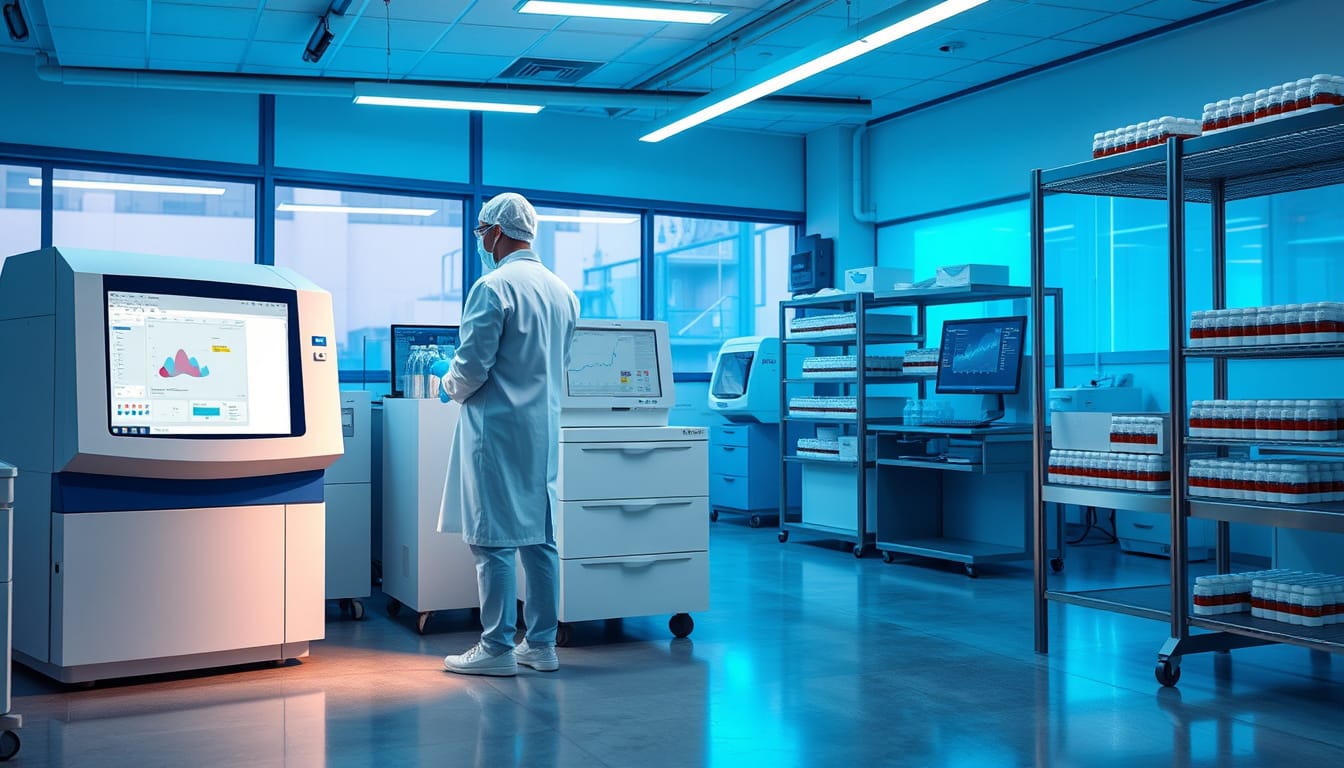
The heart of a modern laboratory is the reliability of data generated and smooth integration of this data into clinical decision processes. Therefore, it is effective integrated diagnostic solutionHowever, not only the accuracy of the tests, but also the flow and management of the information should also be taken to the center. This integration, laboratory information management systems (LIMS) Hospital Information Systems (HIS) starts with the perfect speech. For example, solutions such as Sisoft Health Information Systems aim to manage the whole process in a digital spine, from the follow-up of patient samples, by combining these two worlds. In this way, access to data for both clinicians and laboratory staff is accelerated, and human-source errors are minimized.
In the provision of data integrity, quality assurance protocols plays an indispensable role. This is not only limited to daily calibration of devices and internal quality controls. Regular participation in external quality assessment programs guarantees the performance of the laboratory independently, to ensure that the results meet national and international standards. This continuous monitoring and improvement cycle, analytical verification creates the foundation stone and finally the most important protector of patient safety.
The results are possible with automated reporting systems if they reach to clinicians and patients. LIMS-HIS The integration allows immediate notification systems of critical values to quickly report routine results with predefined templates. This automation brings full compliance with data security and patient privacy standards as well as shortening the reporting time. Thus, the valuable information produced by the laboratory is a solid, reaching to all relevant parties in a safe and timely manner, integrated diagnostic solution becomes a complementary part.
Digital Analytical and Data Security
Modern integrated diagnostic solutionsIt is not only because physical devices come together. The actual value of these systems arises with digital analytical and robust security architectures that understand the massive data stacks produced. Artificial intelligence-supported analyses are now commenting complex data patterns, passing beyond routine test results and offering deeper insights to clinicians. This plays a critical role to reveal hidden relationships between different parameters, especially in multiple test programs.
Data privacy is an integral part of this process. processing and storage of patient data, layer access controls and must be secured with advanced encryption protocols. At this point, the regulation compatibility is becoming a requirement on paper and turned into a operational obligation. In addition to the local legislation in Turkey, compliance with international standards should be taken into account from the design stage of systems. Research shows that high levels of digital transformation hospitals can perform better in data security and efficiency issues. As a result, a secure and intelligent data infrastructure, all integrated diagnostic ecosystem The main stone of reliability and sustainability.
Quality Control Methods
The reliability of results in the laboratory ecosystem depends on a continuous and systematic quality control approach. This process, integrated diagnostic solutionsBy creating the spine of the nin, it directly affects the accuracy of clinical decisions. The calibration protocols organized in accordance with the international standards are the basic guarantee that all analytical devices have accurate measurement. Regular calibration prevents device deviations and protects the consistency of test results in time.
On this basis, external proficiency tests Independently assesses the performance of the laboratory. These tests measure the accuracy of methods and the qualification of personnel through analyzing the same sample in different centers. Performance monitoring indicators complete this process. Monitoring of daily internal quality control data, repeatability rates and turn-around times, continuous improvement cycles provides vital data for it. The integrated implementation of these methodology makes it possible to detect errors early and ultimately maximize patient safety.
Patient Access, Appointment and Service Model Integration

After the reliability and integration of data, it is a modern modern, reaching the patient with the source of valuable information and improving its experience, integrated diagnostic solution Creates the most important foot. This process requires not only limited to testing, but a model that takes service accessibility, speed and patient satisfaction to the center.
One of the basic stones of this model, online appointment infrastructure. The ability of patients to apply to the laboratory with a few clicks, without time and space restrictions, both reduces waiting times and allows for the preliminary analysis process to be planned in advance. This digital door, patient referral By optimizing the process, it makes it possible to guide the right test panels and prevent unnecessary repetitions. Appointment system, at the same time, a central laboratory (hubs) of strategic sample collection points in the environment (Tags) Providing coordination hub and spoke model also supports efficient processing. In this way, samples from distributed spots between cities or cities can be delivered to the center with a smooth logistics network.
The success of the service model is a transparent and delivering continuity patient communication with a lot. Information before the test SMSFast sharing of ’s, sample tracking notifications and especially results through a secure patient portal is critical steps that increase patient trust. This multi-channel communication strategy is believed to be a passive self of the process, transforming the patient into an informed participant, giving a significant contribution to the overall health service experience.
Geographical Access and Mobile Sample Collection
In modern health ecosystem, overcome geo-access barriers and service is one of the main stones of integrated diagnostic solutions to drive to the patient’s foot. This approach provides a critical comfort and accessibility for individuals who are particularly time-restricted, experiencing mobility or are difficult to transport to health centers.
In this context, the organization of mobile specimen collection teams is of great importance. These teams consisting of specialist healthcare staff carry out the intake of blood and other samples in sterile conditions in the home or workplace. Service, usually online appointment planning with systems or phones, the patient affects the daily routine at a minimum level. The effectiveness of mobile teams depends on the intelligent optimization of routes. Sample shipping routes between cities and cities are mapped by considering the traffic density, distance and time windows. This optimization ensures that samples reach the central laboratory in appropriate conditions and in time for analysis, significantly reducing pre-analysis errors and results delays.
Expansion of sustainability and scope of this system, strong regional business partnerships it is possible. Agreements with local health institutions, family physicians or private medical centers allow the service to be widespread by creating a network effect. These partnerships allow creation of fixed specimens or sharing logistic infrastructure, so the resources are used more efficient and delivered uninterrupted service to a wider patient audience.
Patient Information and Conclusion Access
Modern integrated diagnostic solutionsnot only test processes, but also patient experience and results access to the center. In this approach, patients can quickly, safely and understandably reach medical data, directly affect the effectiveness of treatment processes. Capital University in Ankara Hospital 2016Like the system launched in , patient portals are critical tools that serve this purpose.
Patient portal features: An ideal portal offers a wide range of results from laboratory and radiology reports to epikrize. Security, TC ID or passport information, birth year and SMS is provided with multi-factor authentication such as approval. These systems support active participation as long as the patient, allowing for the viewing of all the results and even digital prescriptions after discharge, except for underlying patients.
It is not enough that the results are accessible only; they are understandable. At this point result interpretation guides activates. These guides integrated to the portal simplify complex medical terms, explain the reference ranges and inform the patient for the next step. This reduces the patient’s concern and prevents more efficient consultation with the doctor.
All this process, transparent communication protocols completed with. When the result will be published, access restrictions (for example, 18 veli approval for six years and data privacy policies are clearly shared with the patient. This transparency reinforces the trust in the patient-hekim relationship and integrated diagnostic solutions allows the ecosystem to turn into a patient-oriented service model.
Regulation, Compliance and Sustainability Approaches
A patient that improves patient experience and improves operational efficiency integrated diagnostic solution long-term success is possible not only with technological infrastructure, but also with a solid regulation, harmony and sustainability framework. This frame is a fundamental element that guarantees the reliability and social responsibility of the service.
Accreditation Requirements: In the center of this process, accreditation processes in accordance with international standards are included. ISO 15189 Quality management systems, laboratory’s technical competence and reliability of results. Compliance with these standards, continuous internal audits, staff training and proficiency tests supported with. Accreditation integrated diagnostic solution It is a critical step that concretes quality assurance and consolidates patient trust.
Another indispensable size of modern healthcare services is environmental sustainability measures. Laboratories have an important effect in terms of disposable plastic waste, chemical disposal and energy consumption. Therefore, waste reduction strategies, the use of recyclable materials and investments in energy-efficient devices, while reducing operating costs, also strengthen corporate reputation. A sustainable supply chain management is a natural extension of these efforts.
Finally, all these activities must be crowned with ethical and compliance policies. Privacy of patient data (KVKK and GDPR), transparent pricing, avoiding the conflict of interest and regulatory reporting obligations, creates the moral basis of operational excellence. commitment to ethical standards, a integrated diagnostic solution It is the most valuable asset that provides the legality and longevity of society.