

Blood gas analyzer in blood samples taken from patients oxygen (O2), carbon dioxide (CO2), pH and bicarbonate (HCO3−) It is the laboratory device that measures basic parameters. These devices are particularly respiratory and metabolic balance Provides quick information about it. It is used in clinical conditions to evaluate the respiratory functions of the patient, acid-base balance and oxygenation status.
Blood gas analysis, intensive care, emergency service and surgery helps to quickly get critical decisions. Because even a small imbalance can threaten life. Therefore, blood gas analyzers are devices with vital importance in health institutions.
Blood gas analyzers, arterial, venous or capillary blood can work from examples. The most often arterial blood is preferred because this example reflects the most accurate level of oxygenation of the body. The device, by measuring the pressure of the gases in the sample and ion concentrations, produces comprehensive results on the patient’s respiratory and metabolic state. These measurements are carried out with special electrode systems and the analysis results can be taken in a few minutes.
Modern blood gas analyzers, automatic calibration, sensor temperature control and sample management equipped with advanced features. This shows high performance in both accuracy and speed. Today, due to portable (point-of-care) models, blood gas analysis can now be done not only in the laboratory, but at the beginning of the patient.
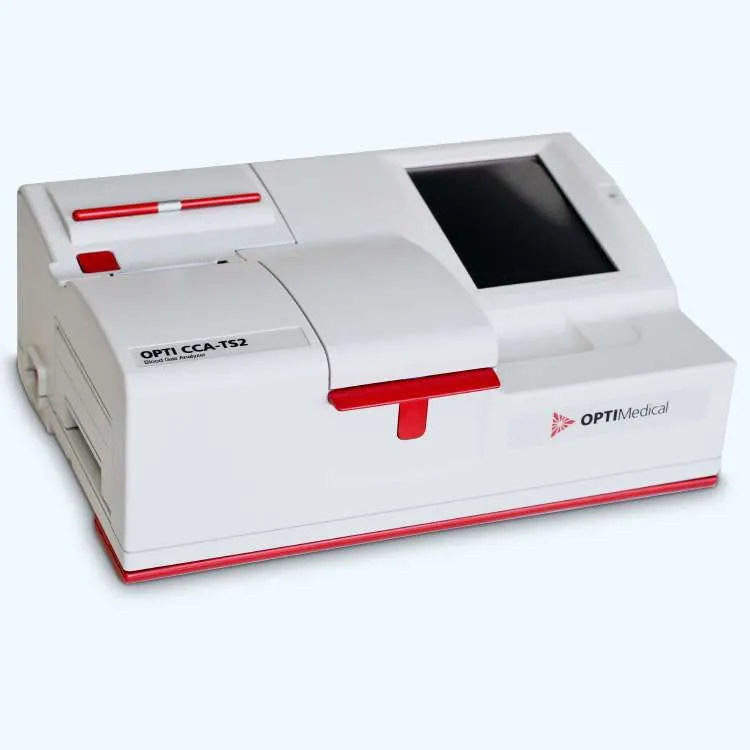
What Does Blood Gas Analyzer Work? Clinical Importance and Uses
Blood gas analyzers, patients respiratory, circulation and metabolic functions is used to instantly assess the condition. These devices are particularly cardiopulmonary diseases, metabolic acidosis/alkalosis, shock, aseptic situations and anesthesia follow-up plays a critical role in clinical scenarios. For example, respiratory device settings are optimized thanks to blood gas values in a patient connected to the ventilator in intensive care.
Data obtained from the device; together with basic parameters such as pH, pCO2, pO2 and HCO3 The oxygen saturation (sO2) and base (BE) Includes calculated values. These parameters, the patient’s patient acidosis or Alkalosis indicates whether it is in case. So, blood gas analyzer is not only the diagnostic tool, but also treatment monitoring and routing tool.
Use areas are quite wide. Emergency servicesevaluation of trauma and respiratory failure patients; in surgerymonitoring oxygen and carbon dioxide balance of patients under anesthesia; newborn intensive careIt is often used to follow the risk of hypoxia.
Diabetic ketoacidosis or renal insufficiency also provides great facility with blood gas analysts to control the effectiveness of treatment in metabolic cases.
What Are the Parameters Measured in Blood Gas Analyzer? (pH, pCO2, pO2, HCO3 etc.)
Blood gas analyzers measure many parameters simultaneously. The most basic four parameters are:
- pH: Shows the degree of acidity or basicability of the blood. Normal range 7.35–7.45.
- pCO2: Carbon dioxide is partial pressure. reflects respiratory functions (normal: 35–45 mmHg).
- pO2: Specifies the amount of dissolved oxygen in the blood (normal: 80–100 mmHg).
- HCO3−: It shows the level of Bicarbonate and is the main indicator of metabolic balance.
In addition to these devices, base (BE) and The oxygen saturation (sO2) gives calculated values as well. These parameters allow physicians to evaluate the acid-base balance of the patient more holistically. For example, low pH and high pCO2 indicates respiratory acidosis, low pH, and low HCO3− indicates metabolic acidosis.
Some advanced analyzers electrolyte (Na+, K+, Cl−, Ca2+) and metabolite (gluosis, lactate) integrates measurement. In this way, both blood gas and biochemical analysis can be performed with a single device. Evaluation of these parameters at the same time, significantly shortens the diagnosis time in particularly critical patients and increases the treatment efficiency.
Blood Gas Analyzer Working Principle: Sample Receiving and Analysis Process
Usually for blood gas analysis arterial blood sample taken. The sample is pulled into a heparinated injector, and it is worth noting that the air does not get rough. Then the sample is installed to the analyzer as soon as possible. Because the gas balance in waiting blood samples can be quickly impaired. The analyzer uses electrochemical sensors to measure the chemical composition and gas content of the blood.
There is a separate electrode system for each parameter inside the device. The pH measurement is made with glass electrode, pCO2 measurement carbonate electroduyla, pO2 measurement is made of Clark type oxygen electrodu. Each electrode measures the electrical potential corresponding to the ion concentration in the sample. This potential difference is converted to numerical values by the microprocessor of the device.
Results usually within a few minutes reflected on the screen and saved automatically. Modern systems also automatic calibration, sensor control and fault detection It has its properties. Thus, user errors are minimized, reliable results are achieved and the analysis process becomes completely standard.
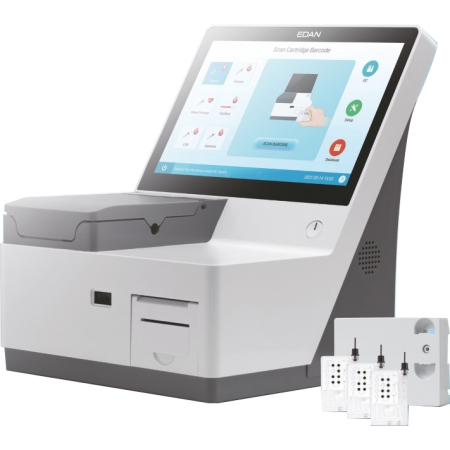
Role of Ion Selective Electrode Technology and Sensor Systems
One of the most important components of blood gas analyzers Ion selective electrode (ISE) technology. This system uses electrodes sensitive to the activity of certain ions (e.g. Na+, K+, Cl−). Each electrots interact only with the ion targeted to be measured and thus provide high specificity.
Ion selective membranes perform ion exchange when they contact with the sample and form an electrical potential difference.
Sensor systems are not only ions, but also gas sensors and optical detectors may also contain. For example, oxygen sensors determine the level of pO2 with electrochemical reactions.
The accuracy of these sensors directly affects the overall performance of the device. Therefore, sensor quality in analyzers, calibration stability and temperature control are critical importance.
Sensor systems in new generation blood gas analyzers long life, maintenance-free cartridge structure designed. In this way, the operator interferes with the minimum, the operation becomes easy and the test times are shortened. The results in terms of data security are digitally recorded and integrated into hospital information system.
Explanation of results: Acidosis, Alkalosis and respiratory-metabolic imbalances
Blood gas analysis results, The acid (pH) 7.35) or The Alkalus (pH) 7.45) is evaluated to determine the situation. These imbalances may be respiratory or metabolic origin. In respiratory acidosis, pCO2 increases are often observed; The metabolic acidosis is low in HCO3. Similarly, respiratory alkalozy is characterized by low pCO2 and metabolic alkalozy by high HCO3−.
The pH, pCO2, HCO3− and the base should be analyzed together to be interpreted correctly. It should also be taken into account the clinical picture, the respiratory condition of the patient, the use of medication and the history of metabolic disease. The relations between these parameters offer a wide range of information on the physiological state of the patient.
For example; KOAH When patients often develop chronic respiratory acidosis, Diabetic ketoacidosis Metabolic acidosis is dominant. Blood gas analyzer helps to create the correct treatment plan by showing these differences at millimetric levels. Therefore, the correct reading of the data generated by the device is as important as the technical quality of the least device.
Why Critical Is Blood Gas Analysis in Intensive Care and Emergency Service?
Clinical condition of patients in intensive care units and emergency services change rapidly. In these environments, doctors need to decide in seconds. Blood gas analyzers, patient oxygenation, ventilation and metabolic balance It facilitates this process by providing instant information about the situation. For example, blood gas results are monitored at regular intervals to optimize the respiratory settings of the patient in the ventilator.
In emergency service, especially shock, poisoning, trauma or respiratory failure The analysis of blood gas in cases is vital. Thanks to this analysis, imbalances such as hypoxia, hypercapnia, acidosis or alkalosis can be detected early and treatment is quickly started.
Thus, mortality rates are reduced, the success of treatment is increased.
In modern health systems, per patient (POC) blood gas devices have become indispensable equipment of intensive care and emergency services. These portable analyzers speed up processes by transferring results directly to the monitor or hospital information system and minimizes error share.
Quality Control and Accuracy Requirements in Blood Gas Analyzers
To achieve reliable results in blood gas analysis quality control (QC) procedures are great importance. Daily, weekly and monthly controls of devices should be performed regularly. In this context, the device is tested with control solutions with known values. Measured values deviates from target ranges, calibration and maintenance operations are applied.
The factors that affect device accuracy include sensor aging, temperature fluctuations, reagent quality and user errors. Therefore, the manufacturer must carefully observe the maintenance and calibration procedures recommended by the company. In addition, participating in quality evaluation programs between laboratories and increases measurement reliability.
Blood gas analyzers automatic quality control systemsmonitors the performance of sensors continuously. In this way, the accuracy is guaranteed without the need for manual intervention. User safety, sample integrity and data accuracy in quality analyzers are always in the forefront. Quality control processes with this direction are an integral part of patient safety.
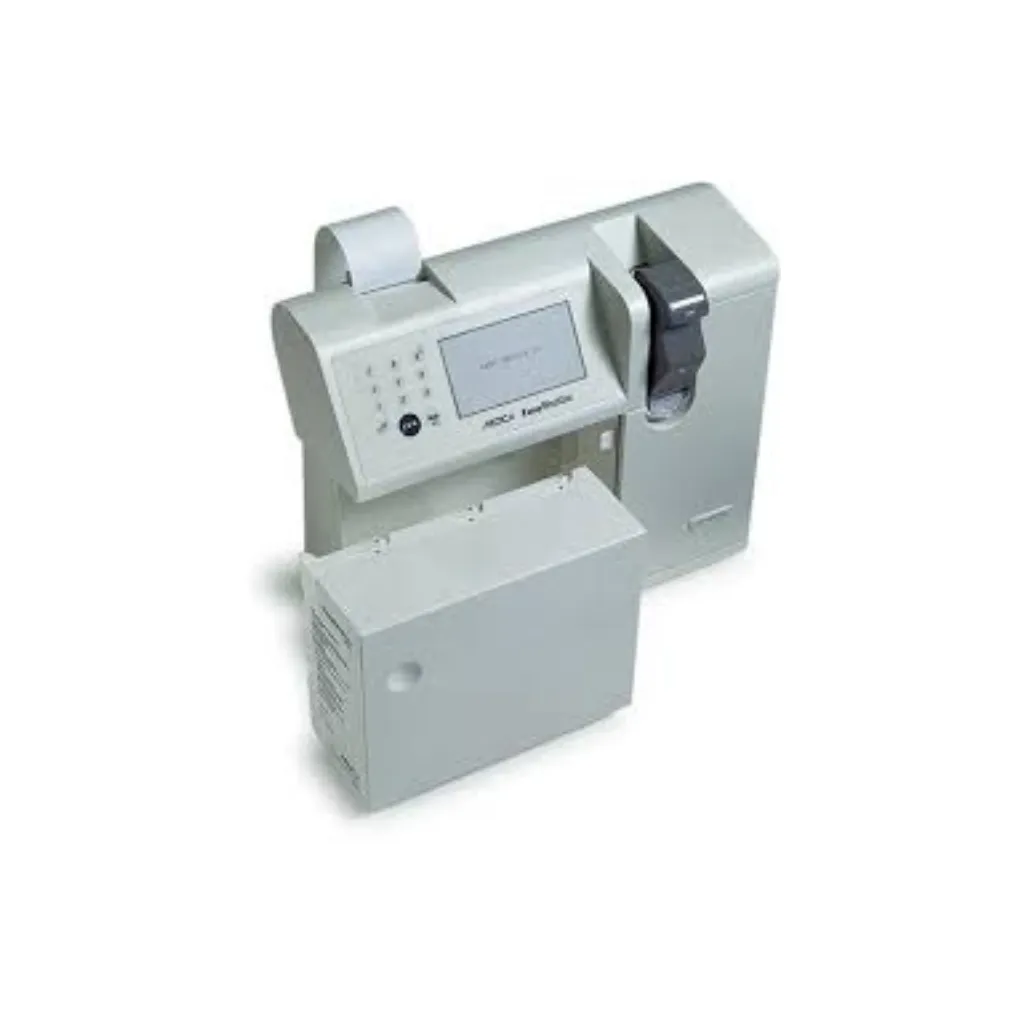
Tilia Medical With reliable and high-performance blood gas analysis solutions
Tilia Medicalis one of the reliable brands in clinical laboratory and patient-based testing solutions. Company, High accuracy and user-friendly blood gas analysts offers modern solutions to laboratories and hospitals. Tilia’s systems pay attention to advanced sensor technology, automatic calibration and long-lasting reagent cartridges.
The devices provide easy use for both adults and pediatric patients thanks to their rapid output capacity and low sample volume requirement. In addition Tilia Medicalnot only device to users, but also technical support, training and quality control services It also offers. This holistic approach improves the laboratory efficiency of institutions.
Tilia Medical’s blood gas analysis solutions, Integration with hospital information systems, data security and minimum maintenance requirement stand out with its advantages. In this way, health professionals can provide maximum contribution to patient safety and correct diagnostic processes. In short, Tilia Medical In clinical analysis, both confidence and high performance are presented together.