

Cost control in laboratory management, especially HbA1When it comes to high-volume tests such as c, it becomes a critical success factor. In this process, Hb1c cost management Not only focus on reagents prices, it requires a holistic approach that extends from operational efficiency to clinical decision quality. Modern technologies and smart management strategies offer significant advantages in building this complex balance to laboratories.
Hb1clinical importance of c test is caused by the central role of diabetes management. This test reflects the level of average blood sugar three months, to regulate treatment plans and evaluate the risk of complications irresistible a tool. Therefore, the accuracy and reliability of the test should always be kept in the forefront. A study conducted at Sakarya University Education and Research Hospital under control of unnecessary test conditions, in the number of tests7.52“It has shown that it has reduced its costs by reducing its costs. This situation, economic sustainability with clinical requirement is a concrete proof that you can manage in one way.
The analysis of cost components is multi-layer. In addition to the direct-looking reagents and consumable material costs, personnel time, device maintenance, quality control procedures and hidden costs arising from possible repeat tests should also be taken into account. Direct method technologies and latex aglutination reagents Advanced solutions such as shortening trading times and minimizing the risk of human error with automation, creating a positive effect on these components. As a result, an effective Hb1c cost managementIt is possible not only price labels, but with a strategic perspective that evaluates all efficiency gains in the life cycle of the test.
Cost advantages of direct method technology
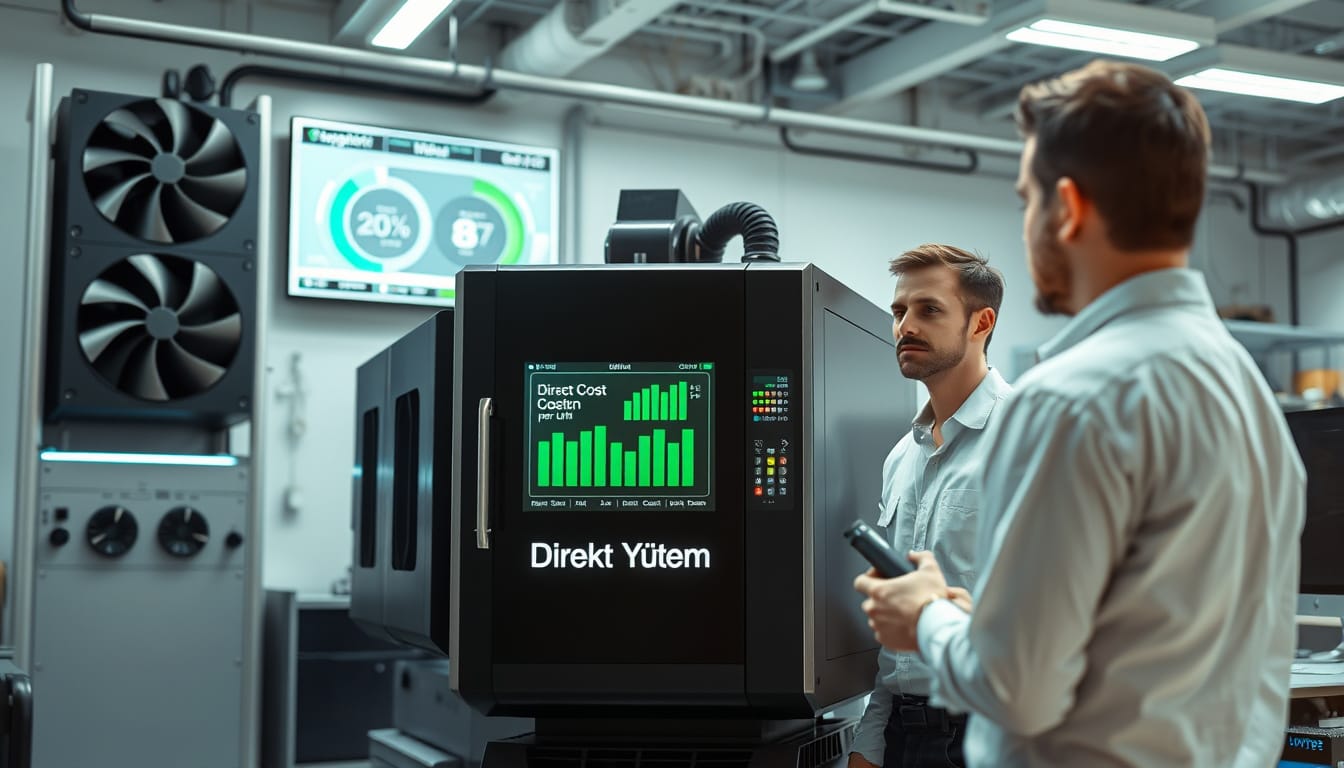
Hb1Technological selections are critical to alleviate the load of c tests on laboratory budgets. At this point, Direct Method technology It stands out by offering significant cost advantages compared to traditional chromatographic methods. Gazi University Faculty of Medicine 2013 A research conducted in the year revealed that these methods may be more economical than traditional tests in the diagnostic process. This approach creates a positive effect on overall operational costs, not only the reagents price, but the need for processing time and personnel.
Process time and efficiency: One of the most remarkable benefits of direct methods is that it minimizes sample preparation stages and gives quick results. This situation directly contributes to the general efficiency of the laboratory by increasing the daily working sample capacity per device. shorter processing time, also business power costs also means a noticeable savings. Technicians can focus on more complex analysis, rather than dealing with routine and time-consuming pre-treatment processes. So, Hb1c cost management not only purchase costs, but time management and staff productivity perspective.
This operational efficiency, finally cost drop per case leads. Research findings highlight that this technology can provide cost effectiveness without compromising the diagnostic accuracy. The cost per case is calculated by division of fixed device investment, reagent consumption, maintenance and personnel expenses to total test volume. Direct methods reduce this shareholder with less reactive use and higher automation. In the long run, lower maintenance requirements and high reliability also make budget planning easier by reducing the unpredictable failure costs. For the choice of the right technology with expert suppliers Meetings to be made can offer concrete data in investment return calculations.
Operational savings of automation
Laboratory automation, HbA1c is a powerful tool that increases efficiency in testing processes and reduces costs. A study conducted at Sakarya University Education and Research Hospital in the test counts of automation %7,52A reduction of He revealed. This drop is directly related to filter unnecessary test requests with automatic systems and creates the basis of operational savings.
Reduction of staff costs: Automation releases the time of staff by eliminating repeat manual operations. Technicians can get rid of tasks such as routine sample processing and pipetage, focusing on higher added-value tasks like quality control and result validation. This means more efficient use of the workforce and provides an important decline in personnel costs in the long run. Also, automatic systems 7/24 The working capacity improves patient report times by shortening sample processing times.
Another critical benefit of automation, error and retest rate on. In manual processes, the risks of human-source pipeade errors or sample mixing are almost zero with automated systems. This is due to incorrect results, the repeat tests and additional reagent, time and labor power costs brought by them. This means fewer errors, more reliable results and lower operating costs. For technical details and product range in this regard https://tiliamedical.com You can visit the address. An effective Hb1c cost management The strategy is possible with accurate calculation of these long-term savings that will bring automation investment.
Performance benefits of latex aglutination reagents
Hb1While developing c cost management strategies, not only process speed and automation, but also the technical performance of reagents used also plays a critical role. At this point, Latex Aglutination The method strengthens the quality basis of laboratory operations with superior accuracy and reliability. Especially in populations where hemoglobin variants are common, the ability to minimize the risk of interferance of these reagents protects the integrity of clinical decision processes.
Reactive stability and shelf life: Operational efficiency is directly associated with the prevention of inventory management and welding waste. The latex aglutination reactors give a remarkable advantage in this area, thanks to their long rack life and high stability features. This allows laboratories to supply larger parties and more cost-effectively. Furthermore, it can be stored for a long time without distortion of reagents, stock rev speed optimizes waste costs and Hb1c cost management contributes to their goals. More technical information about such solutions https://tiliamedical.com The hotel is set next to the hotel.
Test accuracy and repeatability: The most valuable contribution of the method is the high repetitiveness and accuracy of measurements. Nobel Med 2016The presentation of a phenomenon published in revealed that the hemoglobin D (HbD) variant provides misleading results of traditional chromatographic methods. Latex aglutination-based tests have given results that reflect the actual glycemic control status of the patient effectively by effectively addressing this interferan. A specsifisite at this level, avoiding the wrong diagnosis and unnecessary additional testing demands, saving resources in the long run and strengthens the reputation of the laboratory.
Stock management and supply optimization
Laboratory operations Hb1c cost management not only with reagents prices, but also closely associated with smart stock management and supply chain optimization. An effective system prevents both financial losses and guarantees test continuity and quality standards. At this point, participation in international documentation programs plays a critical role. For example, EurA participating in clinical laboratories from Turkey1c qualification tests support consistency in all processes from reagent selection to inventory planning by providing standardization.
FIFO/FEFO Application Methods forms the waistbone of this process. First entering the first interest (FIFO) The principle improves stock rev speed by applying shelf life on long products. Last use date before use (FEFO) The principle is especially Hb1c reagents is indispensable for sensitive chemicals. This discipline prevents financial losses and quality deviations caused by reagection. In addition, even when making bulk purchase deals, parties are individually monitored and FEFOIt is necessary to be firmly connected to .
Another critical step for operational efficiency determining the safe stock level. This level should be calculated considering the average consumption speed, the delivery time of the supplier and the possible demand fluctuations. Establishing a fixed ‘minimum stock’ threshold prevents the occurrence of service interruptions in the sudden increase in test demand. At the same time, it also minimizes the capital and storage costs associated with excessive stocked reagents. Hb1c cost management Your strategy should be placed on finding this balanced level and configure your supplier contracts accordingly.
Quality control and compatibility requirements

Hb1While implementing c cost management strategies, a solid quality control system is essential not only economic efficiency, but also guarantees the accuracy and reliability of results. This system creates the basis of patient safety and protects the reputation of the laboratory. Quality control protocols prevent the clinical decisions of faulty results by following compliance with standards in every stage of the test process. This approach also minimizes the waste of resources by preventing the cost increases resulting from unnecessary repetition tests.
In addition to these internal controls, external quality assessment programs draws an independent picture of laboratory performance. Regular participation to these programs confirm that your system is constantly working in compliance with national and internationally accepted reference values. This objective assessment, accreditation processes It also provides a critical evidence and allows possible incompatibility to be detected and corrected early. Thus, problems that can lead to greater cost and reputation losses are proactively resolved.
For operational continuity, determined control ranges and acceptance criteria carefully followed. These ranges identify acceptable deviations in device and reagent performance. For example, the emergence of a control sample from the expected value to a certain standard deviation may indicate that there is a problem in the system. The strict commitment to these criteria guarantees the repeatability and accuracy of the test results. As a result, an active HbA1c cost management requires not only the price falling per unit test, but also the quality and reliability of each report produced. This holistic perspective strengthens both financial sustainability and clinical value of the laboratory simultaneously.
Cost analysis and pricing strategies per case

Hb1After securing the quality and compliance processes of c tests, the next critical step facing laboratory managers is to ensure financial sustainability of operations. At this point, cost analysis per case and smart pricing strategies are activated. This analysis is evidence that the laboratory works not only clinical but also economically.
An effective Hb1c cost management For the first step, the costs are fixed and clearly decompose as variable. Fixed costs cover pens that are independent of the test volume, such as device depreciation, staff salary and general laboratory expenses. Variable costs are increased reagent, calibrator and consumable material expenses with each test directly. A study conducted at the University of Sakarya, with the reduction of unnecessary test requests, the total number of tests in the percentage7.52. It turned out that a decline is achieved and significant savings are achieved in variable costs. This separation shows clearly what areas can make cost optimization.
Understanding cost structure, volume-based pricing models constitutes the basis of development. Laboratories with high test volumes can significantly reduce the cost of the reactive unit by making annual contracts with suppliers. This model uses scale economy Cost per test minimizes. For example, Tilia Medical Contracts made with expert suppliers provide budget-friendly solutions while maintaining the same quality standards compared to large brands. Such strategic business unions ensure that laboratories remain competitive against insurance refund rates and market prices. For detailed information and demo requests https://tiliamedical.com address can be visited.
As a result, there is a total cost by collecting fixed and variable costs to conduct profitability analysis, which is divided into the number of tests performed. This calculation allows you to base your pricing decisions on data. An effective Hb1c cost managementNot only choose cheap reagents, reviewing the entire operational process is to prevent resource waste and create value. Choosing the right technology and supplier is an indispensable part of this process. Laboratories for long-term cost control https://tiliamedical.com You can get expert advice and solution recommendations via.