

In today’s health systems accurate and quick diagnosisis one of the most important factors that directly affect the success of treatment processes. In this direction medical testing devicesIt is located in the center of the diagnostic process from laboratories to hospitals. With the advance of technology, the precision, speed and automation capabilities of testing devices have made the diagnostic processes both reliable and efficient.
Modern medical testersnot only analyze blood, urine, gaita or other biological samples; at the same time automatic data processing and result verification systems Thanks to the minimum of human error. While these devices allow the test results to be taken in a short time, many samples can be analysed at a high accuracy rate at the same time. Thus, the decision-making period of both clinicians is shortened, and patients can be directed to the treatment that is more quickly appropriate.
Increasing accuracy and speed in the diagnosis, at the same time increasing the operational efficiency of laboratories. Advanced calibration systems, sensor technologies and integrated data management solutionsThe performance of the testers to the top level. Therefore, today’s importance of medical testing devices in medical diagnostic processes is increasing every day.
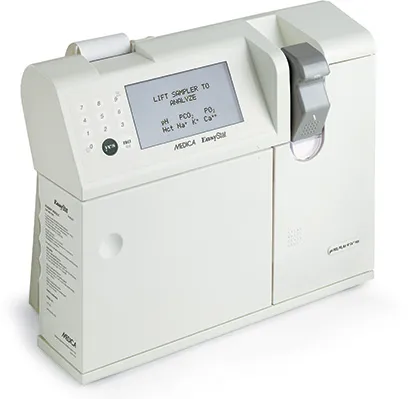
Role of Medical Testing Equipment in Clinical Diagnosis
Medical testing devices create basic structure stones of clinical diagnostic processes. The results provided by these devices in many stages such as identifying a disease, monitoring of the course or evaluation of the effectiveness of treatment are critical. For example; Biochemistry analyzers evaluate liver and kidney functions, hematology analyzers reveal the count and structural properties of blood cells. This information helps physicians to notice diseases in the early period and develop correct treatment strategies.
Medical testing devices, plays a key role in managing intensive data flow in hospitals. Analysis results directly to the hospital information management system (HBYS) can be transferred. Thus, both doctor and laboratory staff get rid of unnecessary paperwork load, and instant access to results. This makes it possible to quickly shape treatment plans.
However, medical testing devices beyond the correct diagnosis, diseases preventive medicine allows to be used. The laboratory data obtained in routine controls can predetermin potential health risks with early warning systems. Testing devices with this direction contribute not only to treatment, but also to the protection of society health.
Importance of Automation for Quick and Accurate Diagnosis
The time in the health sector is valuable for all. Especially in intensive hospital environments, it is the most important factor that determines the diagnosis and treatment speed of tests in a short time. At this point automation systems activates. The automatic sampling, analysis, data saving and result reporting features of medical testing devices provide both speed and accuracy by eliminating manual operation errors.
Automatic systems allow samples to be analyzed in sequence and digitally saved results. In this way, laboratory technicians need less manual intervention and test processes are completed in a much shorter time. Also, devices are automatically calibration and quality control The reliability of tests is at the highest level as it performs operations.
High-capacity automation lines used in modern laboratories can process hundreds of samples at the same time. These systems are both eliminating the risk of sample confusion patient safety increases and efficiency maximise. Especially in hospitals with intensive sample traffic, the speed difference provided by automation is reflected directly into clinical processes.
Analytical Sensitivity New Generation Technologies
New generation medical testing devices, nanotechnology, photometry, microcirculation systems and artificial intelligence-supported analysis algorithms equipped with advanced technologies. These technologies almost zero analytical errors by increasing the accuracy of the test results at micron level. For example; ion-dependent electrode (ISE) technology, while measuring ion density in electrolyte analysis most precisely; Spectrophotometric systems detect biochemical reactions with high accuracy.
Artificial intelligence and machine learning-based testing systems compare the data obtained during analysis with previous measurements automatic abnormality detection Can. This allows even small deviations to escape from the attention of clinical staff. Thus, in the diagnosis early intervention and correct treatment planning easy.
Also new generation devices, Energy efficiency, low maintenance requirements and automatic error correction systems with lower operating costs. This situation allows healthcare organizations to gain great advantage in both budget and resource management in the long run.
Diagnostic Effect of Sample Management and Data Integration
Accuracy in diagnostic processes is not only on device technology, sample management and data integration depends on the processes. improperly taken, inappropriately stored or mixed samples can seriously affect the reliability of test results. This is why it is equipped with modern laboratory systems, sample barcodes, monitoring and digital archiving features.
Sample management systems, for example a unique personality it makes it. This ID is followed at every stage of the test (example, transport, analysis, reporting). Thus, specimen confusion and data losses are avoided. At the same time integrated data management systems transfer device results directly to hospital database. This integration increases both diagnostic speed and allows physicians to easily compare past results.
Data integration also remote access and tele-controller supports applications. Laboratory results can be viewed instantly by doctors in different units. In this way, multidisipliner treatment plans can be quickly formed and patient care quality increases.
Compliance with Patient Safety and Quality Standards
Medical testing devices are not only technology-oriented products, but also patient safety standards compatible systems. ISO 15189, ISO 13485 and CE Production according to international quality standards such as certification guarantees the reliability and accuracy level of testing devices. These standards ensure that quality control is sustainable in every stage of test processes.
In terms of patient safety, devices fault warning systems, automatic stop mechanisms and result verification algorithms are of great importance. These features ensure that incorrect results are detected by the system before they are transmitted to doctors. Thus, the possible diagnosis is passed in front of errors.
In addition, the use of devices in accordance with quality standards, health institutions in accreditation processes also provides benefits. This situation increases both patient satisfaction and creates an important trust element in regard to the reputation of the organization.
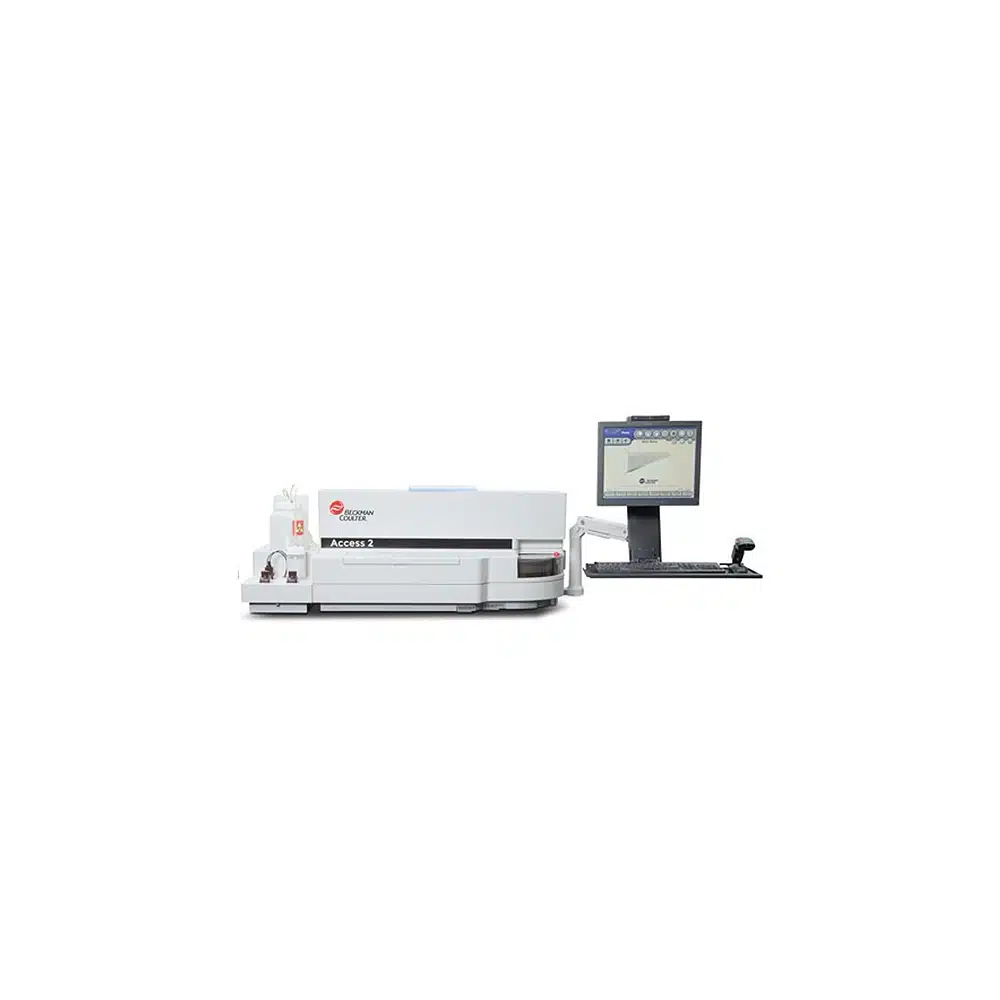
Tilia Medical Reliable and Efficient Medical Testing Solutions
One of the brands that offer reliability and performance in the field of medical testing devices Tilia Medical. Tilia Medicalin laboratory technologies High accuracy, low error share and user-friendly search stand out with its features. The devices offered by the company cover a wide range of products, such as biochemistry, hematology, electrolyte, immunoassay and urine analyzers.
Tilia Medicalnot only limited to device supply training, technical support and calibration services It also offers. Through this, the laboratories can maintain the performance of the device at a high level for a long time. The smart software systems used on devices also monitor test results in real-time and secure analysis reports.
Tilia Medical’s solution approach to healthcare organizations efficiency, accuracy and patient safety Offers the triple at the same time. Thanks to advanced device technologies and powerful service network, diagnostic processes are run faster, accurate and reliable. This increases the satisfaction of both clinical teams and patients.