
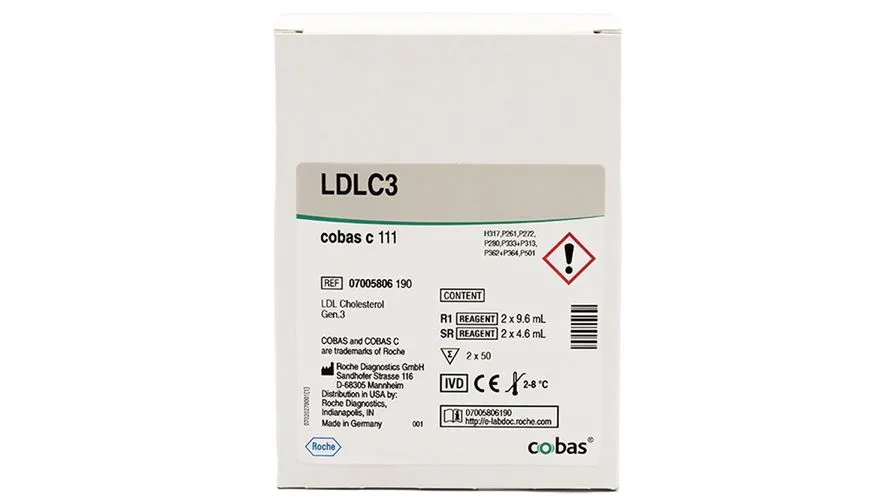
About the product
LDLC3 (LDL-Cholesterol Gen.3) is an in vitro diagnostic reagent from Roche Diagnostics for LDL cholesterol measurement. According to Roche’s product page, the test is for the quantitative determination of LDL cholesterol in human serum and plasma.
The reagent uses a homogeneous method that measures LDL directly. The product is part of the Roche Diagnostics test kit range supplied by Tilia Medical.
Measured parameter and clinical significance
LDL is a type of cholesterol that can form fatty deposits on the walls of blood vessels. According to MedlinePlus, the LDL test is usually part of the lipid profile, which also includes total cholesterol, HDL and triglycerides, and is used to estimate the risk of heart disease, heart attack, stroke and peripheral artery disease.
MedlinePlus states that fasting for 9 to 12 hours is usually required before the test, and that alcohol and certain medicines can affect the result. The target value is set by the physician according to the person’s risk factors.
According to MedlinePlus, the blood sample is taken from the inside of the elbow or the back of the hand. The physician needs to know about all medicines and supplements in use.
Technical information
- Sample type (Roche): human serum and plasma
- Method (according to the FDA 510(k) K143691 summary): homogeneous enzymatic colorimetric test; surfactants solubilize LDL, enzymes convert the cholesterol, and the color of the resulting dye is directly proportional to the cholesterol concentration
- Analyzers (Roche): cobas c 111; cobas c 303, 311, 501, 502, 503, 701, 702, 703; COBAS INTEGRA 400 plus
- Pack size (Roche): 100 tests (cobas c 111); 200 tests (COBAS INTEGRA 400 plus and cobas c 303/311/501/502); 500 tests (cobas c 701/702); 600 tests (cobas c 303/503)
- Measuring range: not stated on the Roche product page
Use and compatibility
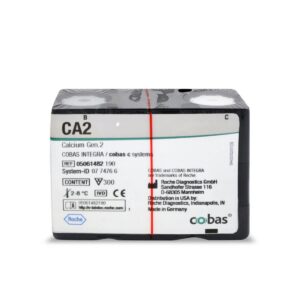
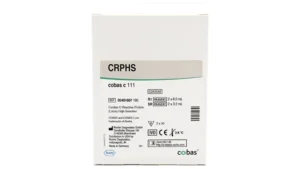
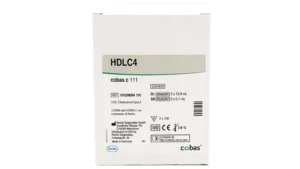
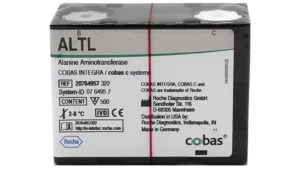
The Roche page lists four pack types for LDLC3. The FDA summary states that the reagent is defined for Roche/Hitachi cobas c systems. Because the match between catalog numbers and GTIN values is not clear on the page, confirmation against the Method Sheet and Roche documents is required before ordering.
For product, quotation and technical information requests, use the contact form or write to info@tiliamedical.com.
The Roche page gives separate intended-use statements: one shared by cobas c and COBAS INTEGRA, one for COBAS INTEGRA only and one for the cobas c 111.
Frequently asked questions
According to the FDA 510(k) K143691 summary, it is a homogeneous enzymatic colorimetric test. The intensity of the resulting color is directly proportional to the cholesterol concentration.
According to Roche, it is used with human serum and plasma.
According to MedlinePlus, not eating for 9 to 12 hours before the blood draw is usually recommended. The physician gives the definitive instruction.